
Common Mistakes When Selecting Precision Dispensing Systems for Industrial Adhesives and Sealants
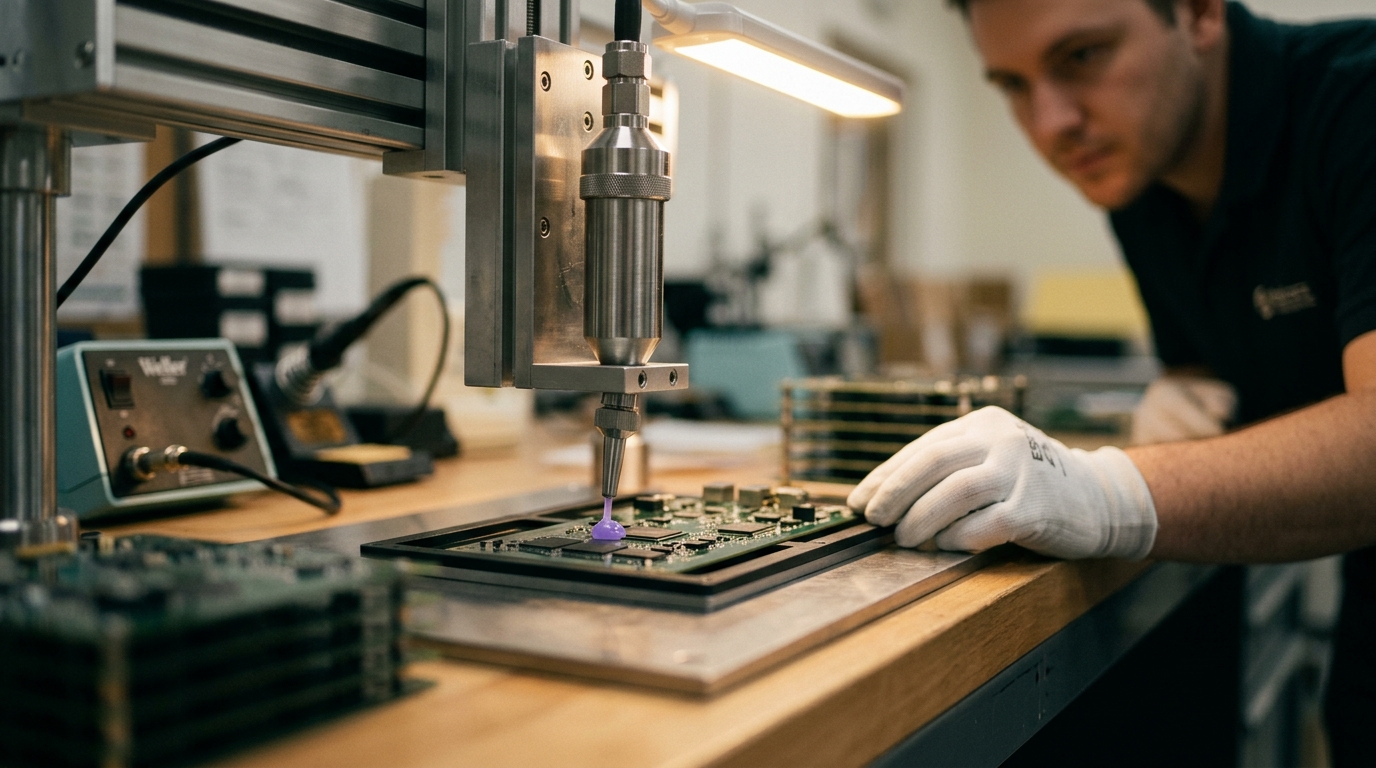
Industrial adhesive dispensing is a high-stakes process where minor deviations in fluid dynamics can lead to significant production losses. Precision dispensing systems are not merely tools for application; they are critical components of quality control infrastructure. According to recent industry data, improper equipment selection accounts for nearly 30% of all adhesive-related defects in manufacturing environments. This statistic highlights the urgent need for technical diligence when evaluating dispensing solutions. Manufacturers must look beyond initial purchase prices and consider long-term operational efficiency, material compatibility, and process stability. (ESD Schutz L tstationen)
Ignoring Viscosity Changes Under Pressure
One of the most frequent errors in industrial settings is assuming that adhesive viscosity remains constant throughout the dispensing process. Viscosity is the measure of a fluid's resistance to flow. Many adhesives, particularly epoxies and silicones, exhibit shear-thinning behavior, meaning their viscosity decreases under stress. However, some materials thicken or cure rapidly when exposed to pressure or air. (Bernstein)
Manufacturers often select standard pneumatic pumps that cannot compensate for these dynamic changes. This leads to inconsistent bead widths and poor wetting. A precision dispensing system must include feedback mechanisms or time-pressure valves that adjust output in real-time. PK Elektronik offers a range of dosing systems designed to handle these complexities. You can explore their dosing systems to find equipment tailored to specific rheological properties. Ignoring this factor results in wasted material and rework, which directly impacts the bottom line.
Neglecting ESD Safety Protocols
In electronics manufacturing, electrostatic discharge (ESD) is a silent killer of sensitive components. Many engineers focus solely on the dispensing accuracy while ignoring the static buildup generated by the equipment itself. ESD protection is not optional in cleanrooms or high-density assembly lines. It is a regulatory requirement in many sectors.
Using non-conductive hoses or ungrounded dispensing guns can accumulate static charges that discharge during the application process. This can damage microchips or compromise the integrity of the adhesive bond. PK Elektronik specializes in ESD protection and provides essential grounding accessories. Ensure that all components, from the ESD wristbands worn by operators to the ESD mats under workstations, are part of a unified grounding network. Failure to integrate these elements can lead to catastrophic product failure.
Overlooking Cleanliness and Maintenance
Adhesive residue is the enemy of precision. Over time, cured adhesive can clog nozzles, valves, and fluid paths. Many organizations purchase high-end dispensing pumps but neglect the cleaning and maintenance infrastructure. Without proper cleaning protocols, the system's accuracy degrades rapidly.
Regular maintenance requires specialized solvents and tools. For instance, ultrasonic cleaners like those from Bandelin are essential for deep-cleaning delicate nozzles and tips. Using the wrong cleaning agent can damage seals or leave residues that contaminate the next batch. Establish a strict maintenance schedule. Invest in electronics cleaners that evaporate quickly and leave no residue. This proactive approach extends the lifespan of your dispensing equipment and ensures consistent performance.
Mismatching Nozzle Geometry to Application
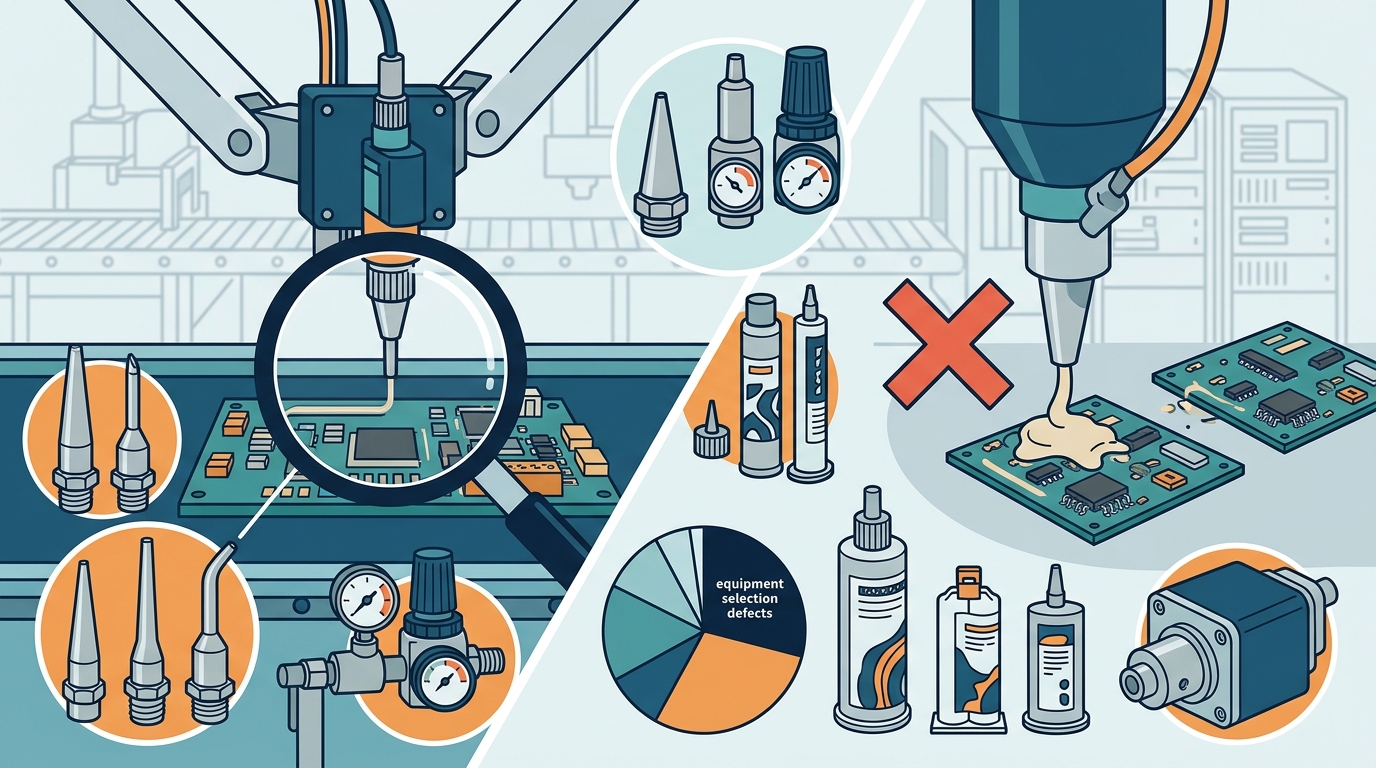
The nozzle is the final interface between the machine and the product. Selecting a nozzle based solely on diameter is a common mistake. The geometry of the tip, including the taper angle and wall thickness, affects the flow profile and the ability to reach tight spaces. Nozzle geometry determines how the adhesive exits the tip and spreads on the substrate.
For example, a blunt tip may cause excessive drag, while a sharp taper might lead to premature curing at the tip. PK Elektronik provides a comprehensive selection of dosing needles and dosing cartridges. Match the nozzle material to the adhesive chemistry. For aggressive solvents, use PTFE-lined tips. For high-viscosity epoxies, consider wider gauge needles to reduce pressure requirements. Always test nozzle performance with the actual production adhesive before full-scale deployment.
Ignoring Temperature Control Requirements
Temperature significantly impacts adhesive viscosity and cure time. Many manufacturers operate in environments with fluctuating temperatures, leading to inconsistent dispensing results. Temperature control is critical for maintaining repeatable process parameters. A change of just a few degrees can alter the flow rate by a measurable percentage.
For heat-sensitive adhesives, cooling jackets or temperature-regulated reservoirs are necessary. Conversely, some sealants require pre-heating to lower viscosity for easier dispensing. PK Elektronik offers preheating plates and related temperature management tools. Integrate temperature monitoring into your dispensing workflow. Use infrared cameras to verify surface temperatures and ensure uniform curing. This level of control is essential for high-reliability applications.
Selecting the Wrong Timer and Valve Type
The heart of any dispensing system is the valve and its control mechanism. Choosing between pneumatic, piezoelectric, or screw pump systems depends on the volume and precision required. Piezoelectric valves offer high-speed, high-precision dispensing for micro-dots. Pneumatic valves are better for larger volumes and higher viscosities. The timer must be synchronized with the valve to ensure consistent shot sizes.
Many errors arise from using outdated timers that lack the resolution for modern micro-dispensing needs. Upgrade to digital controllers that offer programmable profiles. PK Elektronik stocks dosing valves and dosing robots that integrate seamlessly with modern control systems. Evaluate the cycle time requirements of your production line. A mismatch between valve speed and production throughput can create bottlenecks. Ensure the selected system can handle the peak demand without compromising accuracy.
Comparison of Dispensing Technologies
Understanding the differences between dispensing technologies is crucial for making an informed decision. The table below summarizes the key characteristics of common systems.
| Technology | Best For | Viscosity Range | Precision Level | Typical Application |
|---|---|---|---|---|
| Pneumatic Valve | High volume, general purpose | Low to Medium | Medium | Sealing, potting |
| Screw Pump | High viscosity, precise volume | Medium to High | High | Epoxies, silicones |
| Piezoelectric Valve | Micro-dispensing, high speed | Low to Medium | Very High | Underfill, conformal coating |
| Time-Pressure | Simple, low-cost applications | Low to Medium | Low to Medium | Spotting, gluing |
Key Takeaways
- Viscosity is dynamic: Always test adhesives under actual dispensing pressure and temperature conditions.
- ESD is critical: Integrate ESD grounding into every part of the dispensing workflow.
- Maintenance matters: Use ultrasonic cleaners and appropriate solvents to prevent clogging.
- Nozzle selection: Match tip geometry and material to the specific adhesive chemistry.
- Temperature control: Regulate adhesive temperature to ensure consistent viscosity.
- Valve choice: Select the valve type based on volume, speed, and precision requirements.
- Vendor expertise: Partner with suppliers like PK Elektronik who offer comprehensive technical support.
Frequently Asked Questions
What is the most common mistake in adhesive dispensing?
The most common mistake is ignoring the viscosity changes of the adhesive under pressure and temperature. This leads to inconsistent bead sizes and poor bond quality.
Why is ESD protection important in dispensing?
ESD protection prevents static discharge from damaging sensitive electronic components during the dispensing process. It is essential for quality assurance in electronics manufacturing.
How often should dispensing nozzles be cleaned?
Nozzles should be cleaned after every shift or immediately if a material change occurs. Regular cleaning prevents clogging and ensures consistent flow rates.
What is the difference between pneumatic and piezoelectric dispensing?
Pneumatic dispensing uses air pressure to push adhesive and is suitable for higher volumes. Piezoelectric dispensing uses electrical pulses for high-speed, micro-precision applications.
How do I choose the right dosing needle?
Choose a needle based on the required bead size, adhesive viscosity, and chemical compatibility. PK Elektronik offers a wide range of dosing needles to match specific needs.
What role does temperature play in dispensing?
Temperature affects viscosity and cure time. Controlling temperature ensures consistent flow and reliable bonding results.
Can I use standard cleaning agents for dispensing equipment?
No, you must use compatible cleaning agents. Using the wrong solvent can damage seals or leave residues. Use electronics cleaners designed for this purpose.
Optimize Your Dispensing Process Today
Selecting the right precision dispensing system requires careful consideration of material properties, environmental factors, and operational requirements. By avoiding these common mistakes and leveraging expert guidance, you can enhance productivity and reduce waste. PK Elektronik provides the comprehensive range of dosing systems, ESD protection, and soldering technology needed for industrial excellence. Visit pkelektronik.com to explore our catalog and consult with our technical team for your specific application needs.