
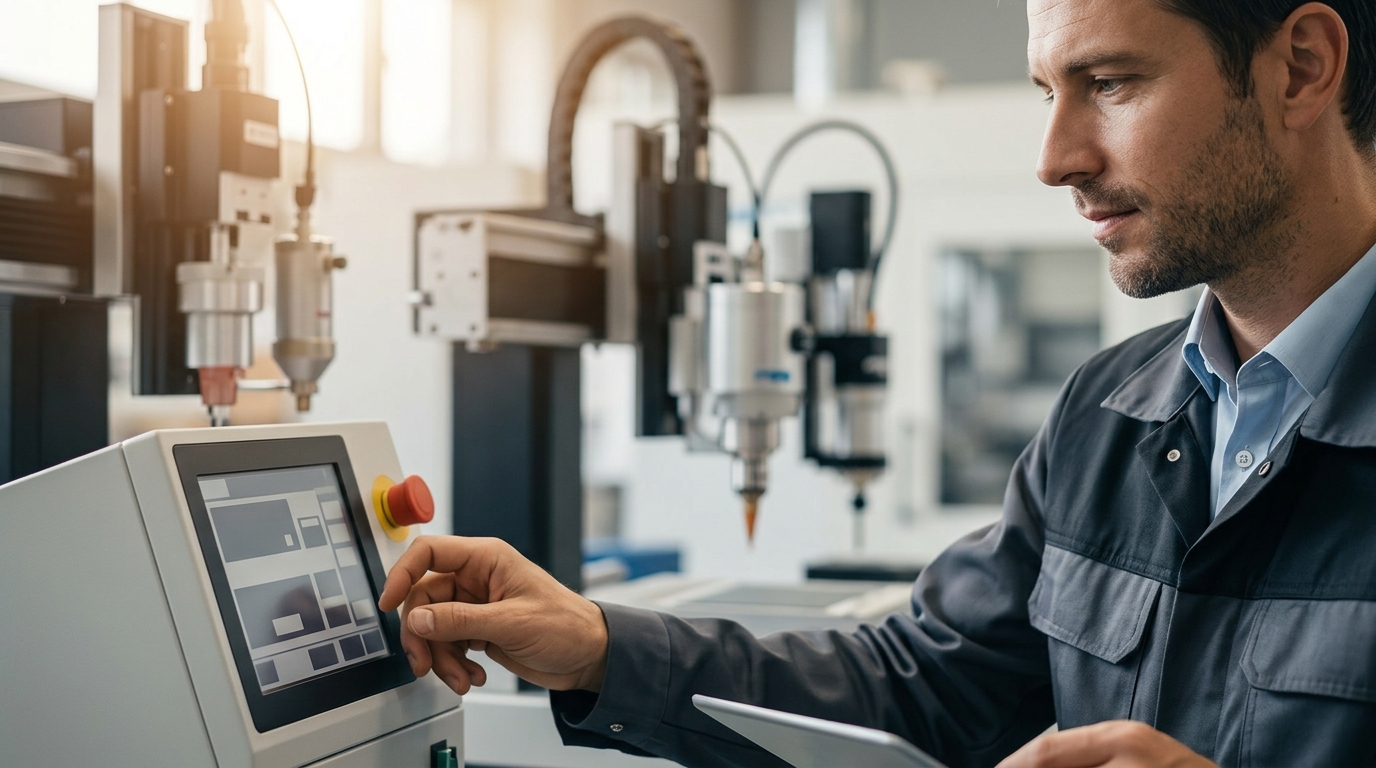
Precision Dispensing Systems: Brands & Specifications for German Industrial Applications
The global market for precision dispensing equipment is expanding rapidly as manufacturing tolerances tighten across Europe. According to recent market data, the industrial dispensing sector is projected to grow significantly through 2030, driven by demands in automotive, electronics, and medical device manufacturing. For German industrial facilities, selecting the right dispensing technology is not merely a procurement task but a critical operational decision that impacts yield rates, cycle times, and long-term maintenance costs. This guide analyzes the leading brands and technical specifications available through specialized suppliers like PK Elektronik to help engineering teams make informed choices.
Understanding Precision Dispensing Technology
Precision dispensing is the controlled application of adhesives, sealants, solder pastes, or other fluids onto a substrate with high accuracy. Precision dispensing is the controlled application of fluids onto a substrate with high accuracy. In industrial settings, this process replaces manual application to ensure consistency and repeatability. The technology is vital for industries where even minor deviations can lead to product failure or safety hazards.
German manufacturing standards, often referred to as Industrie 4.0, demand seamless integration of dispensing systems into automated production lines. This requires equipment that offers not just mechanical precision but also digital connectivity for real-time monitoring and data logging. Suppliers like PK Elektronik provide access to a wide range of dispensing solutions, from manual dosing tools to fully automated robotic systems, ensuring that businesses can scale their operations efficiently.
Key Brands and Manufacturers
The dispensing equipment market is dominated by several key players, each offering distinct advantages based on application requirements. Understanding the strengths of these brands is crucial for selecting the right partner.
Nordson ASYMTEK
Nordson ASYMTEK is a global leader in precision dispensing systems, particularly known for its advanced jetting and valve technologies. Their systems are widely used in semiconductor packaging and electronics assembly. Nordson's official website highlights their focus on high-speed, high-precision applications that require minimal maintenance and maximum uptime. Their equipment is often preferred in high-volume production environments where consistency is paramount.
Minutron
Minutron specializes in precision dispensing pumps and controllers, particularly for viscous materials. Their Minutron is a provider of high-precision dispensing pumps and controllers. The company is known for its robust engineering and reliability in demanding industrial environments. Minutron's systems are often integrated into larger automated lines, providing precise control over fluid volume and application speed. Their focus on German engineering standards makes them a popular choice among local manufacturers.
Rotarex
Rotarex offers a comprehensive range of dispensing equipment, including pneumatic, electric, and time-pressure dispensing systems. Their products are designed for versatility, catering to both small-batch prototyping and high-volume production. Rotarex's global presence ensures that support and spare parts are readily available, which is critical for minimizing downtime in continuous production cycles.
PK Elektronik's Role
As a specialized distributor, PK Elektronik curates a selection of top-tier dispensing brands and components. They provide not only the equipment but also the necessary accessories, such as dosing needles, cartridges, and cleaning supplies. This one-stop-shop approach simplifies the procurement process for industrial buyers, ensuring that all components are compatible and of high quality.
Dispensing Technologies Compared
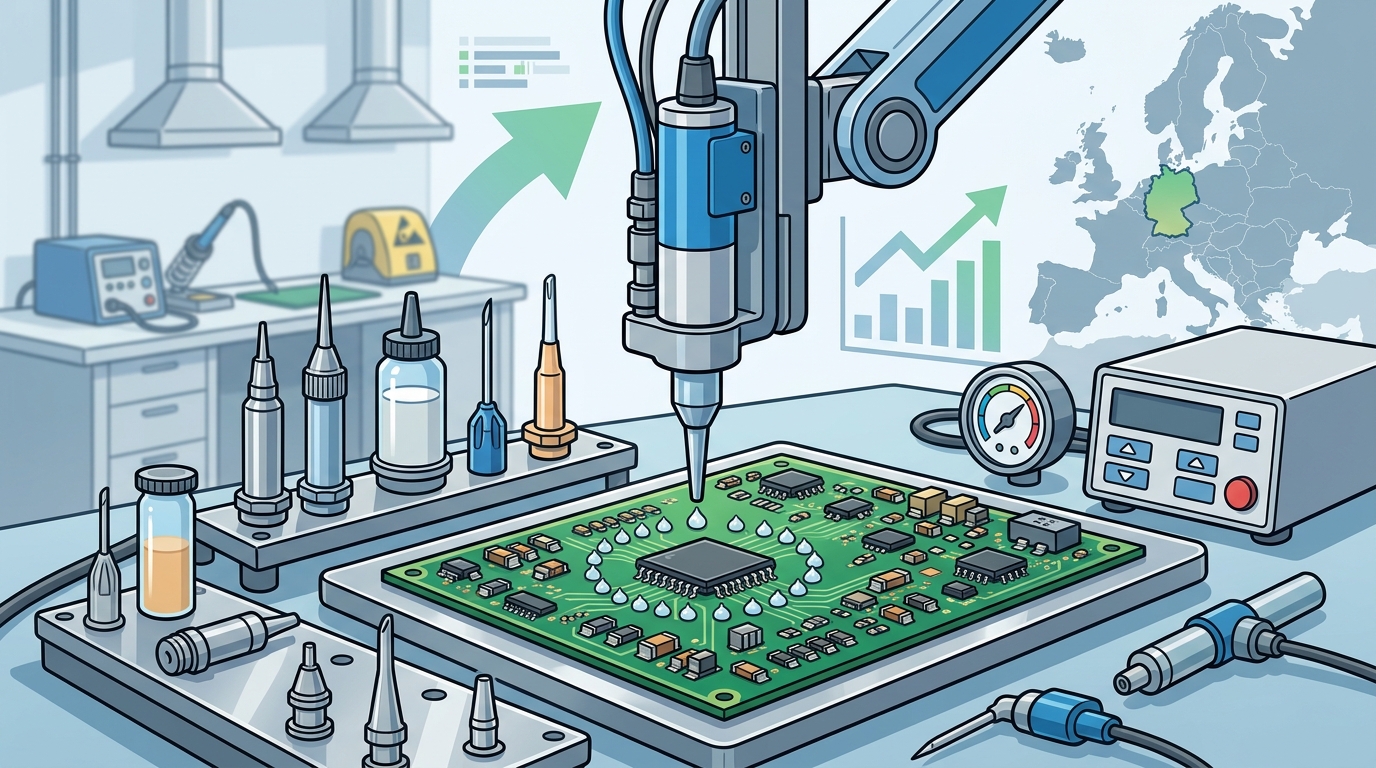
Selecting the right dispensing technology depends on the viscosity of the material, the required bead size, and the production volume. Below is a comparison of the most common technologies.
| Technology | Best For | Advantages | Limitations |
|---|---|---|---|
| Time-Pressure | Low to medium viscosity fluids | Cost-effective, simple setup | Less precise for high-viscosity materials |
| Piston Pump | High viscosity adhesives and pastes | High precision, consistent output | Higher initial cost, more complex maintenance |
| Screw Pump | Very high viscosity materials | Excellent for thick pastes and epoxies | Slower cycle times |
| Jetting | Non-contact dispensing | No nozzle contact, high speed | Requires specialized equipment and expertise |
For applications requiring non-contact dispensing, jetting technology is often the preferred choice. It eliminates the risk of nozzle clogging and allows for dispensing on uneven surfaces. However, for high-viscosity materials like solder pastes, piston or screw pumps are more reliable. Market reports indicate that the demand for piston pump systems is growing due to their versatility in handling a wide range of material viscosities.
Specifications for German Industry
German industrial applications have specific requirements that influence equipment selection. These include compliance with safety standards, integration with existing automation systems, and the ability to handle a variety of materials.
Material Compatibility
Dispensing systems must be compatible with the specific materials being used, such as epoxies, silicones, or solder pastes. Material compatibility is the ability of the dispensing system to handle specific fluids without degradation or clogging. For example, solder pastes require precise temperature control to maintain their rheological properties. Suppliers like PK Elektronik offer a range of soldering and dispensing accessories to ensure optimal performance.
Safety and ESD Protection
In electronics manufacturing, Electrostatic Discharge (ESD) protection is critical. Dispensing systems must be designed to prevent static buildup that could damage sensitive components. ESD-safe equipment is essential for maintaining product integrity. This includes ESD-safe hoses, nozzles, and workstations. Compliance with standards such as DIN EN 61340 is mandatory for many German manufacturers.
Automation and Integration
Modern dispensing systems must integrate seamlessly with PLCs and robotic arms. This requires standardized communication protocols such as EtherCAT or Profinet. Industry standards for automation emphasize the importance of interoperability to reduce integration time and costs. Equipment that supports these protocols is preferred for new installations.
Integration and Compliance
Integrating a new dispensing system into an existing production line involves several steps, including mechanical mounting, electrical connection, and software configuration. It is crucial to work with suppliers who offer comprehensive support services.
Support and Maintenance
Regular maintenance is essential to ensure the longevity and performance of dispensing equipment. This includes cleaning nozzles, replacing seals, and calibrating pumps. Best practices for maintenance suggest a scheduled approach to prevent unexpected failures. Suppliers like PK Elektronik provide spare parts and technical support to facilitate this process.
Regulatory Compliance
German manufacturers must adhere to strict regulatory standards, including CE marking and RoHS compliance. Equipment must be designed to minimize environmental impact and ensure operator safety. European Union regulations require that all industrial equipment meets specific safety and environmental criteria. Choosing equipment from reputable manufacturers ensures compliance with these standards.
Key Takeaways
- Precision dispensing is critical for maintaining quality in German industrial applications.
- Key brands include Nordson ASYMTEK, Minutron, and Rotarex, each with distinct strengths.
- Dispensing technology selection depends on material viscosity and application requirements.
- ESD protection is mandatory for electronics manufacturing to prevent component damage.
- Integration with automation systems requires standardized communication protocols.
- Regular maintenance and compliance with EU regulations are essential for operational success.
- Specialized suppliers like PK Elektronik provide comprehensive solutions and support.
Frequently Asked Questions
What is the difference between time-pressure and piston pump dispensing?
Time-pressure dispensing uses air pressure to push fluid through a nozzle, making it suitable for low to medium viscosity materials. Piston pump dispensing uses a mechanical piston to displace fluid, offering higher precision and suitability for high-viscosity materials like epoxies and solder pastes.
Why is ESD protection important in dispensing systems?
ESD protection prevents static electricity from damaging sensitive electronic components during the dispensing process. This is critical in electronics manufacturing to ensure product reliability and prevent costly failures.
How do I choose the right dispensing nozzle?
The choice of nozzle depends on the material viscosity, required bead size, and application method. Factors such as needle length, diameter, and tip geometry must be considered to achieve optimal results.
What maintenance is required for precision dispensing systems?
Regular maintenance includes cleaning nozzles, replacing seals and filters, and calibrating the system. Adhering to a scheduled maintenance plan helps prevent downtime and extends the life of the equipment.
Are dispensing systems compatible with automated production lines?
Yes, most modern dispensing systems are designed to integrate with automated production lines using standard communication protocols like EtherCAT or Profinet. This allows for seamless control and monitoring.
What standards must dispensing equipment meet in Germany?
Dispensing equipment must meet CE marking requirements and comply with EU regulations such as RoHS and DIN EN 61340 for ESD protection. Adherence to these standards ensures safety and environmental compliance.
Where can I purchase precision dispensing equipment in Germany?
Specialized suppliers like PK Elektronik offer a wide range of precision dispensing equipment and accessories. They provide expert support and comprehensive solutions for industrial applications.
Contact PK Elektronik
For expert advice on selecting the right precision dispensing system for your industrial application, contact PK Elektronik today. Our team of specialists is ready to assist you with product selection, technical support, and integration services. Visit our website to explore our full range of dispensing solutions and accessories.