
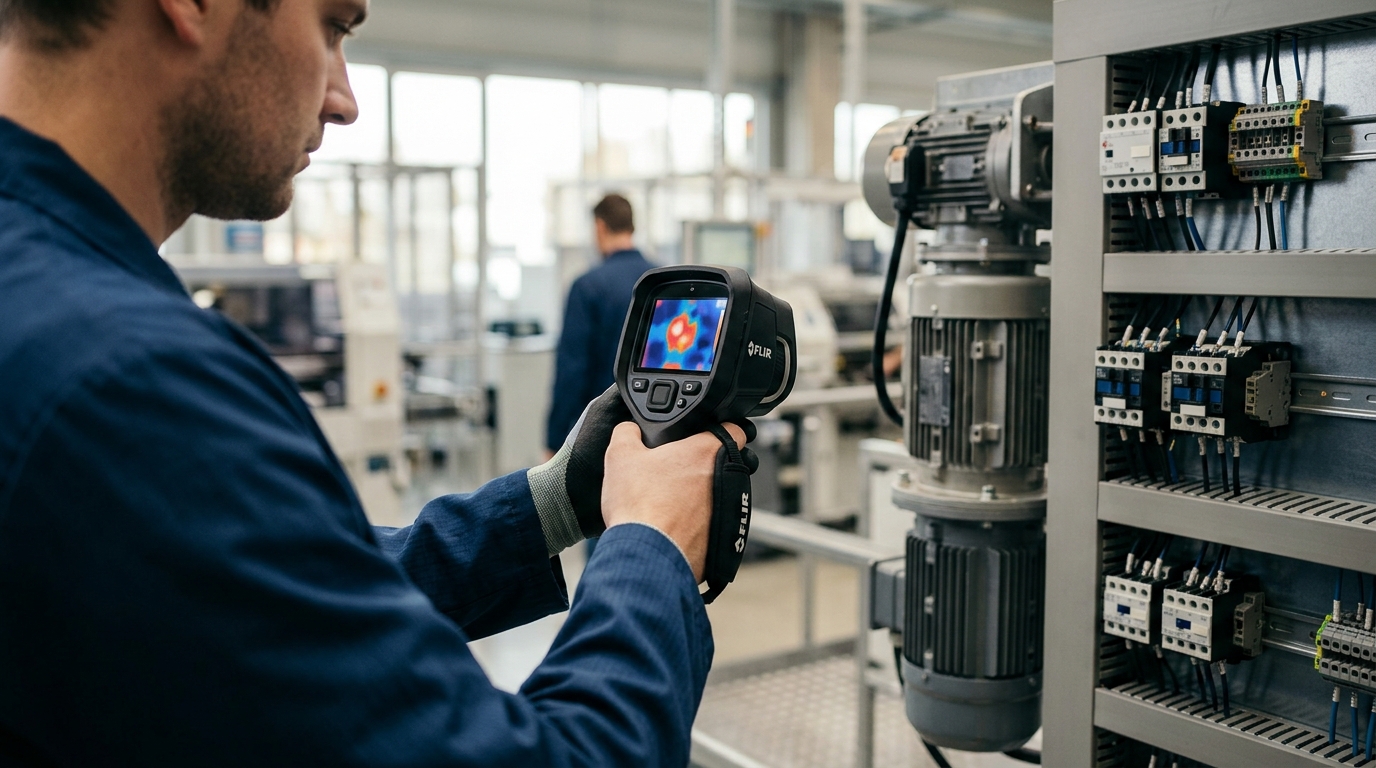
Industrial maintenance teams in Germany increasingly rely on thermal imaging to detect electrical faults and mechanical failures before they cause downtime. According to recent industry data, predictive maintenance strategies utilizing thermal analysis can reduce equipment failure costs by up to 30 percent. This shift toward proactive diagnostics has created a robust market for specialized suppliers who provide both the hardware and the technical expertise required for electronic assembly troubleshooting. (ESD Schutz L tstationen)
The German Market for Thermal Diagnostics
Germany maintains a strong reputation for precision engineering and industrial reliability. This cultural emphasis on quality extends to the tools used for maintenance and troubleshooting. Thermal imaging cameras, often referred to as infrared cameras, are essential for identifying hotspots in electronic assemblies, power distribution units, and mechanical systems.
Thermal imaging is the process of capturing infrared radiation emitted by objects and converting it into a visible image that represents temperature variations. This technology allows technicians to see heat patterns that are invisible to the naked eye. In the context of electronic assemblies, even a slight increase in temperature can indicate a failing component, a loose connection, or an overloaded circuit.
Suppliers in this sector typically serve a B2B audience, focusing on engineers, facility managers, and maintenance professionals. The minimum order values and business-only policies are common in this niche to ensure that products are used in professional environments. For instance, many suppliers have shifted to exclusive B2B models to streamline logistics and compliance.
Leading Suppliers and Their Offerings
Identifying the right supplier requires understanding their specific focus areas. Some companies specialize in general industrial equipment, while others focus on precision measurement and ESD-safe environments. Below are the primary types of suppliers available in Germany.
Specialized Electronic Component Distributors
Companies like PK Elektronik focus on the intersection of electronics manufacturing and maintenance. They provide a wide range of tools, including ESD protection equipment and soldering technology. While their core strength lies in assembly tools, they often stock measurement devices such as multimeters and thermal cameras that are critical for troubleshooting. These suppliers are ideal for teams that need a one-stop shop for both assembly and diagnostic tools.
Dedicated Measurement Technology Providers
Other suppliers specialize exclusively in measurement and testing equipment. These providers often carry brands like Flir, which is a global leader in thermal imaging. They offer high-resolution cameras with advanced features such as auto-focus, spectral response optimization, and software integration for reporting. These suppliers are best for organizations that require deep technical support and calibration services.
Industrial Safety and ESD Specialists
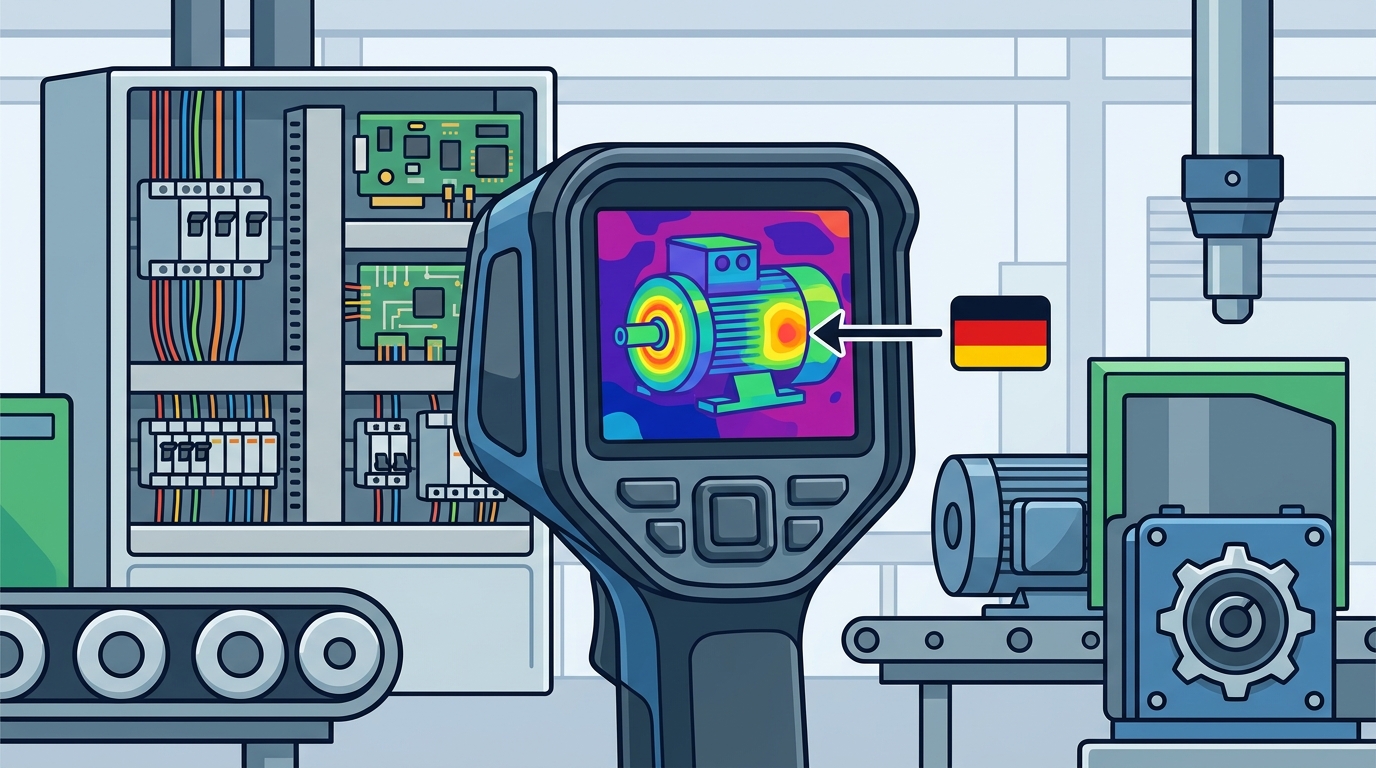
For electronic assemblies, static discharge is a major risk. Suppliers that specialize in ESD safety often carry thermal cameras that are themselves ESD-safe. This ensures that the diagnostic tool does not inadvertently damage the sensitive components being inspected. These suppliers understand the unique constraints of cleanrooms and electrostatic-sensitive work areas.
Supplier Comparison Matrix
Choosing the right supplier depends on your specific operational needs. The following table compares the typical offerings of different supplier types in the German market.
| Supplier Type | Primary Focus | Typical Brands | Best For |
|---|---|---|---|
| Electronic Distributor | Assembly & Maintenance Tools | Flir, Bosch, Hilti | Teams needing integrated ESD and diagnostic solutions |
| Measurement Specialist | Precision Testing | Flir, Testo, Keysight | High-accuracy requirements and calibration needs |
| ESD Safety Provider | Static Control | Bernstein, Kilews | Cleanroom and sensitive electronic environments |
| General Industrial | Broad Inventory | Various | General facility maintenance and HVAC |
Key Takeaways
- B2B Focus: Many German suppliers, including PK Elektronik, operate exclusively on a B2B model, requiring a valid business registration.
- ESD Compatibility: When working with electronic assemblies, ensure the thermal camera and associated tools are ESD-safe to prevent component damage.
- Brand Selection: Flir is a dominant brand in the thermal imaging space, offering a wide range of industrial-grade cameras.
- Minimum Orders: Be aware of minimum order values, which are often around 40 euros for B2B transactions in this sector.
- Technical Support: Specialized suppliers offer better technical support for complex troubleshooting scenarios than general retailers.
- Calibration: Regular calibration of thermal cameras is essential for accurate temperature readings in industrial settings.
- Integration: Look for cameras that integrate with your existing maintenance software for seamless reporting.
Frequently Asked Questions
What is the minimum order value for thermal cameras in Germany?
Many specialized suppliers enforce a minimum order value, typically around 40 euros, to cover processing and shipping costs for B2B clients.
Are thermal cameras suitable for ESD-sensitive environments?
Yes, but you must select cameras and accessories that are certified as ESD-safe. Standard cameras may generate static discharge that can damage sensitive electronic components.
Which brands are most reliable for industrial thermal imaging?
Flir is widely regarded as the industry leader, offering robust hardware and comprehensive software solutions for industrial maintenance.
Do I need a specialized supplier for electronic troubleshooting?
While general suppliers sell thermal cameras, specialized distributors like PK Elektronik offer better integration with ESD safety and electronic assembly tools.
How often should thermal cameras be calibrated?
Annual calibration is recommended to ensure accuracy, especially for critical industrial applications where temperature deviations can lead to significant errors.
What is the difference between a thermal camera and a thermal sensor?
A thermal camera captures a full image of temperature distribution, while a thermal sensor typically measures a single point or area. Cameras are preferred for troubleshooting assemblies.
Can I use thermal imaging for mechanical maintenance?
Absolutely. Thermal imaging is highly effective for detecting friction in bearings, misalignment in motors, and insulation failures in machinery.
Contact PK Elektronik
For professional thermal imaging cameras and comprehensive ESD protection solutions, PK Elektronik is a trusted partner for German industry. We provide high-quality tools for electronic assembly and maintenance. Visit our website to explore our catalog or contact our team for expert advice on your specific troubleshooting needs.