

The Structure of Ingress Protection Codes
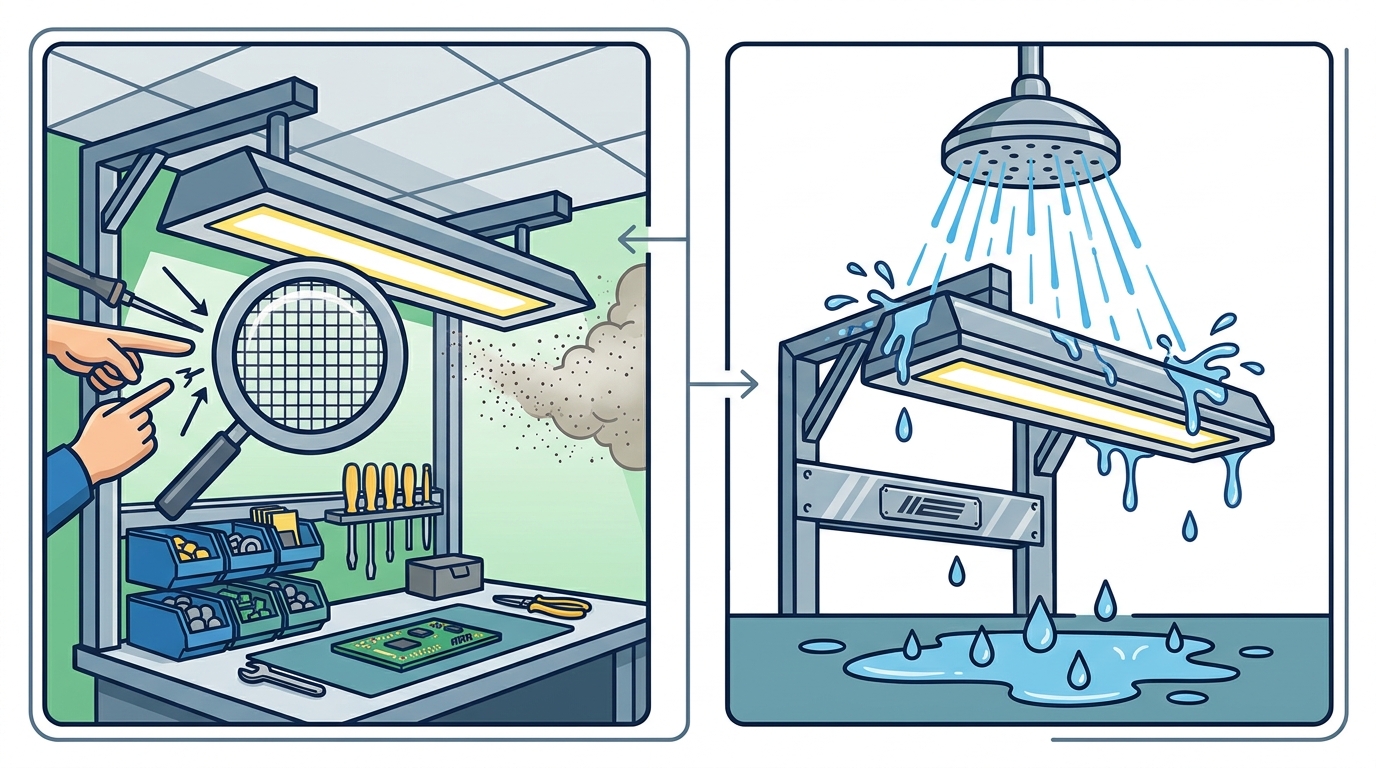
An IP code is a standardized rating system that indicates the degree of protection provided by electrical enclosures. The code consists of the letters 'IP' followed by two digits. The first digit represents protection against solid foreign bodies, such as dust or fingers. The second digit indicates protection against the ingress of water. Understanding these two numbers allows you to match a fixture to its operating environment. For additional details, review the Metabo.
The second digit ranges from 0 to 9. A rating of 0 means no protection against water. A rating of 4 protects against splashing water from any direction. A rating of 6 protects against powerful water jets. In a typical workshop, where water is not a primary hazard, a lower second digit may suffice. However, if the fixture is located near a sink or in a wash bay, a higher water resistance rating is essential. For additional details, review the Restposten.
Matching IP Ratings to Workshop Zones
Different areas within a workshop present different environmental challenges. The general assembly area typically requires a fixture with a moderate IP rating. Dust is the primary concern here, as it can accumulate on heat sinks and reduce the efficiency of LED components. A fixture with an IP40 or IP44 rating is generally suitable for these dry, indoor spaces. The enclosure prevents large particles from entering while allowing for adequate ventilation. For additional details, review the Waldmann LED Signalleuchten g.
Wet processing areas, such as those involving coolant systems or chemical cleaning, require higher protection. In these zones, a fixture with an IP65 rating is recommended. This rating ensures the fixture is dust-tight and protected against low-pressure water jets from any direction. This level of protection prevents moisture from entering the electrical connections, which could cause short circuits or corrosion over time.
Outdoor or semi-outdoor workshop extensions face the most severe conditions. Rain, snow, and extreme temperature fluctuations demand the highest levels of ingress protection. Fixtures with an IP66 or IP67 rating are designed to withstand powerful water jets or temporary immersion. These robust enclosures ensure reliable operation regardless of weather conditions, making them ideal for loading docks or exterior work bays.
Material and Sealing Considerations
The physical construction of the fixture plays a vital role in achieving the stated IP rating. High-quality workshop lighting often utilizes aluminum or polycarbonate housings. These materials provide structural integrity and resistance to impact. The sealing mechanism, typically involving gaskets or O-rings, is critical for maintaining the IP rating over time. As gaskets age, they can degrade, potentially reducing the protection level of the fixture.
Thermal management is another factor influenced by the IP rating. A completely sealed enclosure, such as one rated IP68, may trap heat generated by the LED driver. This can lead to thermal throttling, where the fixture reduces its output to prevent overheating. In such cases, selecting a fixture with an integrated heat sink or a design that allows for passive cooling while maintaining the IP rating is crucial for long-term performance.
Common Misconceptions About IP Ratings
A common misconception is that a higher IP rating is always better. In reality, the most appropriate rating is the one that matches the specific environmental conditions of the installation site. Over-specifying a fixture can lead to unnecessary costs and potential thermal issues. For instance, using an IP68-rated fixture in a dry office area is wasteful and may result in reduced light output due to heat buildup. The goal is to select the minimum rating that provides adequate protection for the environment.
Another misconception is that IP ratings indicate protection against electrical hazards. IP codes only address the ingress of solids and liquids. They do not indicate the voltage rating, shock protection, or fire resistance of the fixture. For electrical safety, you must refer to other standards and certifications, such as CE marking or specific voltage ratings. Always ensure that the fixture meets all relevant safety standards for your jurisdiction, in addition to the IP rating.
Finally, IP ratings are not static. They are determined under specific test conditions in a laboratory. Real-world conditions, such as vibration, temperature cycling, and mechanical impact, can affect the long-term performance of the seals. Therefore, it is important to choose fixtures from reputable manufacturers who provide robust construction and reliable sealing technologies. This ensures that the fixture maintains its IP rating throughout its operational life.
Key Takeaways
- IP codes consist of two digits: the first for solid protection and the second for liquid protection.
- General workshop areas typically require IP40 to IP44 ratings to prevent dust ingress.
- Wet processing areas benefit from IP65 ratings to protect against water jets.
- Outdoor or semi-outdoor installations require IP66 or IP67 ratings for weather resistance.
- Higher IP ratings may impact thermal management and require careful fixture selection.
- IP ratings do not indicate electrical safety or voltage ratings; check other certifications.
- Select the minimum IP rating that meets your environmental needs to avoid unnecessary costs.
Frequently Asked Questions
What does the first digit in an IP rating mean?
The first digit indicates the level of protection against solid foreign bodies, such as dust or fingers. It ranges from 0 (no protection) to 6 (dust-tight).
What does the second digit in an IP rating mean?
The second digit indicates the level of protection against water ingress. It ranges from 0 (no protection) to 9 (high-pressure, high-temperature water jets).
Is IP65 suitable for a typical workshop?
IP65 is suitable for workshops with wet processes or where water jets are possible. For dry areas, a lower rating like IP44 may be sufficient and more cost-effective.
Do IP ratings guarantee electrical safety?
No, IP ratings only address ingress protection. Electrical safety is determined by other standards and certifications, such as voltage ratings and shock protection.
Can I use an IP67 fixture indoors?
Yes, but it may be over-specified for dry indoor areas. This can lead to higher costs and potential thermal issues due to reduced ventilation.
How often should I inspect the seals of my lighting fixtures?
It is recommended to inspect seals periodically, especially in harsh environments. Follow the manufacturer's maintenance guidelines for specific intervals.