
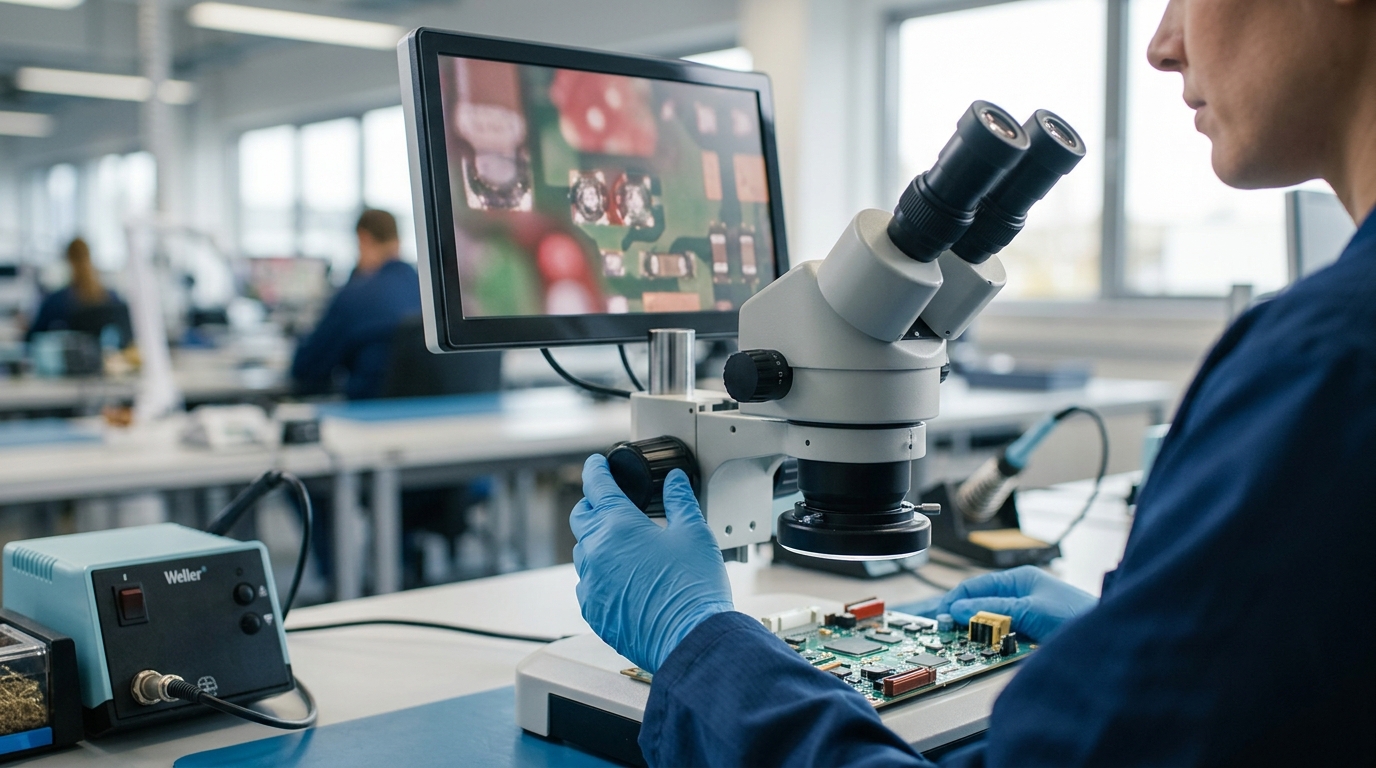
PCB Inspection Microscope ROI: Pricing & Comparison for German Manufacturers
Quality assurance in electronics manufacturing is no longer optional. It is a financial imperative. According to recent industry data, the cost of undetected defects in PCB assembly can exceed 100 times the cost of prevention. This statistic highlights why German manufacturers are aggressively upgrading their inspection infrastructure. The shift from manual visual checks to high-precision optical systems is driven by the need for speed, accuracy, and regulatory compliance. This guide analyzes the pricing structures and return on investment (ROI) of ergonomic PCB inspection microscopes to help your facility make a data-driven decision.
Why Ergonomics Drive Long-Term ROI
Inspection is a repetitive, high-focus task. Operators spend hours daily examining solder joints, component placement, and trace integrity. Poor ergonomics lead to fatigue, which directly correlates with inspection errors. An ergonomic microscope reduces physical strain and improves visual acuity over long shifts.
Definitional Requirement: Ergonomic design in optical equipment is the practice of arranging controls, displays, and viewing angles to fit the human body's natural capabilities and limitations.
When you invest in a high-quality system, you are not just buying glass and metal. You are buying consistency. A well-designed microscope allows for precise focus and illumination control, which is critical for detecting micro-soldering defects. This reduces the rate of false calls and prevents defective units from reaching the customer.
German manufacturers face strict labor laws and high wage structures. Therefore, the cost of an operator's time is significant. By reducing the physical toll of inspection, you extend the productive lifespan of your workforce and reduce absenteeism due to musculoskeletal disorders. This is a tangible, albeit indirect, ROI factor.
Pricing Models and Cost Structures
Understanding the total cost of ownership is essential. The initial purchase price is only one component. You must also consider maintenance, calibration, and the cost of consumables.
Initial Acquisition Costs
Entry-level stereo microscopes for basic PCB inspection typically range from 1,500 to 3,000 Euros. These units offer basic magnification and LED illumination. However, they often lack the depth of field and resolution required for modern, high-density interconnect (HDI) boards.
Mid-range professional systems, such as those from Bernstein or Bandelin ecosystems, often start around 4,000 Euros. These systems include superior optics, adjustable arm mounts, and integrated lighting solutions. They are designed for daily industrial use and offer better durability.
High-end digital inspection systems with automated defect detection can exceed 10,000 Euros. These systems integrate with quality management software and provide data logging capabilities. For large-scale German production facilities, the data traceability offered by these systems justifies the higher upfront cost.
Operational and Maintenance Costs
Regular calibration is required to maintain inspection accuracy. Annual service contracts typically cost between 500 and 1,000 Euros. Additionally, you must budget for replacement lamps or LED modules, although modern LED systems have significantly reduced this frequency.
ESD safety is another critical cost factor. In Germany, compliance with ESD standards is mandatory in electronics manufacturing. You must ensure that your microscope setup includes proper grounding and anti-static components. PK Elektronik provides comprehensive ESD protection solutions, including grounding straps and mats, which are essential for maintaining a safe inspection environment.
Equipment Comparison Matrix
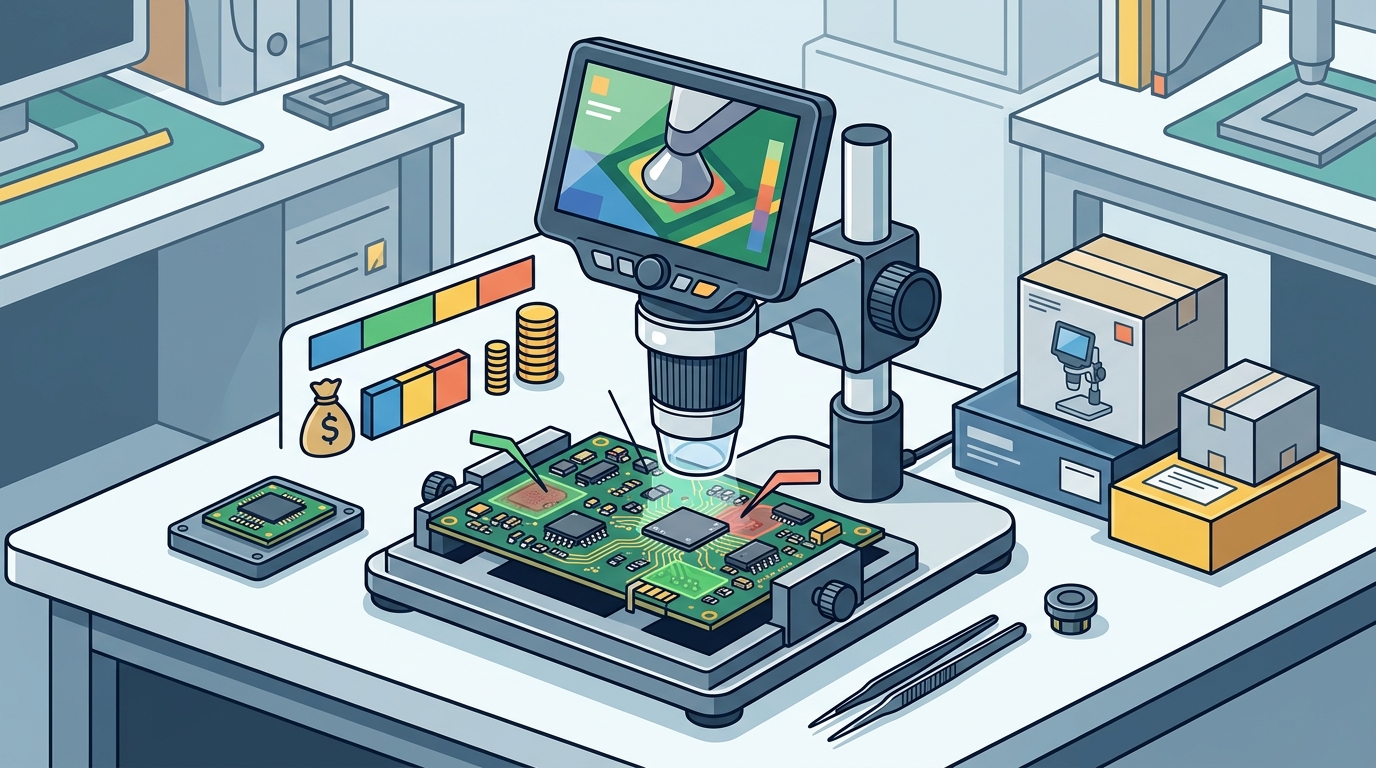
The following table compares common inspection setups available through specialized suppliers like PK Elektronik.
| Category | Typical Price Range (EUR) | Best Use Case | Key Features |
|---|---|---|---|
| Basic Stereo Microscope | 1,500 - 3,000 | Low-volume repair shops | Fixed magnification, basic LED light |
| Professional Stereo System | 4,000 - 8,000 | Mid-size production lines | Zoom optics, articulated arm, ESD safe |
| Digital Inspection Station | 10,000+ | High-volume manufacturing | Camera integration, software analysis, data logging |
| Ultrasound Cleaning Unit | 800 - 1,500 | Pre-inspection cleaning | Removes flux residue, improves visual clarity |
For example, the Bandelin SONOREX SUPER RK 100 is a popular choice for cleaning PCBs before inspection. Removing flux residue is critical because it can obscure fine details and lead to misinterpretation of solder joint quality.
Key Takeaways
- Cost of Defects: Undetected PCB defects cost significantly more in warranty claims and recalls than in prevention.
- Ergonomic Impact: High-quality optics reduce operator fatigue, leading to more consistent inspection results.
- Pricing Tiers: Expect to invest between 4,000 and 8,000 Euros for a professional-grade system suitable for German manufacturing standards.
- ESD Compliance: All inspection equipment must be grounded and ESD-safe to protect sensitive components.
- Brand Reliability: Suppliers like Bernstein offer specialized handling sets that ensure component safety during inspection.
- Cleaning Importance: Using ultrasonic cleaners like those from Bandelin is a best practice for accurate visual inspection.
- ROI Timeline: Most facilities see a positive ROI within 12 to 18 months through reduced scrap rates and improved efficiency.
Frequently Asked Questions
What is the average lifespan of a PCB inspection microscope?
With proper maintenance and calibration, a professional-grade stereo microscope can last 10 to 15 years. LED illumination sources typically last longer than traditional halogen lamps, reducing long-term operational costs.
How does ESD protection affect microscope pricing?
ESD-safe microscopes often cost 10 to 20 percent more than standard models. This premium covers specialized grounding components and anti-static materials. However, this cost is negligible compared to the risk of damaging sensitive electronic components during inspection.
Is a digital microscope necessary for small manufacturers?
For small manufacturers, a high-quality analog stereo microscope may be sufficient. However, digital systems offer advantages in documentation and team collaboration. If you need to share inspection results with clients or regulatory bodies, digital capabilities are highly recommended.
What is the role of ultrasonic cleaning in PCB inspection?
Ultrasonic cleaning removes flux residue and contaminants that can hide defects. Bandelin units are widely used in Germany for this purpose. Clean boards allow for more accurate visual inspection and reduce the likelihood of false negatives.
How do I calculate the ROI of a new inspection system?
Calculate the reduction in scrap rates and rework costs. Multiply the monthly savings by 12 to get the annual benefit. Divide the total system cost by the annual benefit to determine the payback period. Most professional systems pay for themselves within two years.
Next Steps for Your Facility
Upgrading your inspection infrastructure is a strategic move that enhances quality and reduces long-term costs. PK Elektronik offers a comprehensive range of inspection tools, ESD protection, and cleaning solutions tailored for German electronics manufacturers.
Visit PK Elektronik to explore our catalog of professional microscopes, Bernstein ESD handling sets, and Almit soldering supplies. Contact our technical team to discuss your specific requirements and receive a customized quote for your facility.