
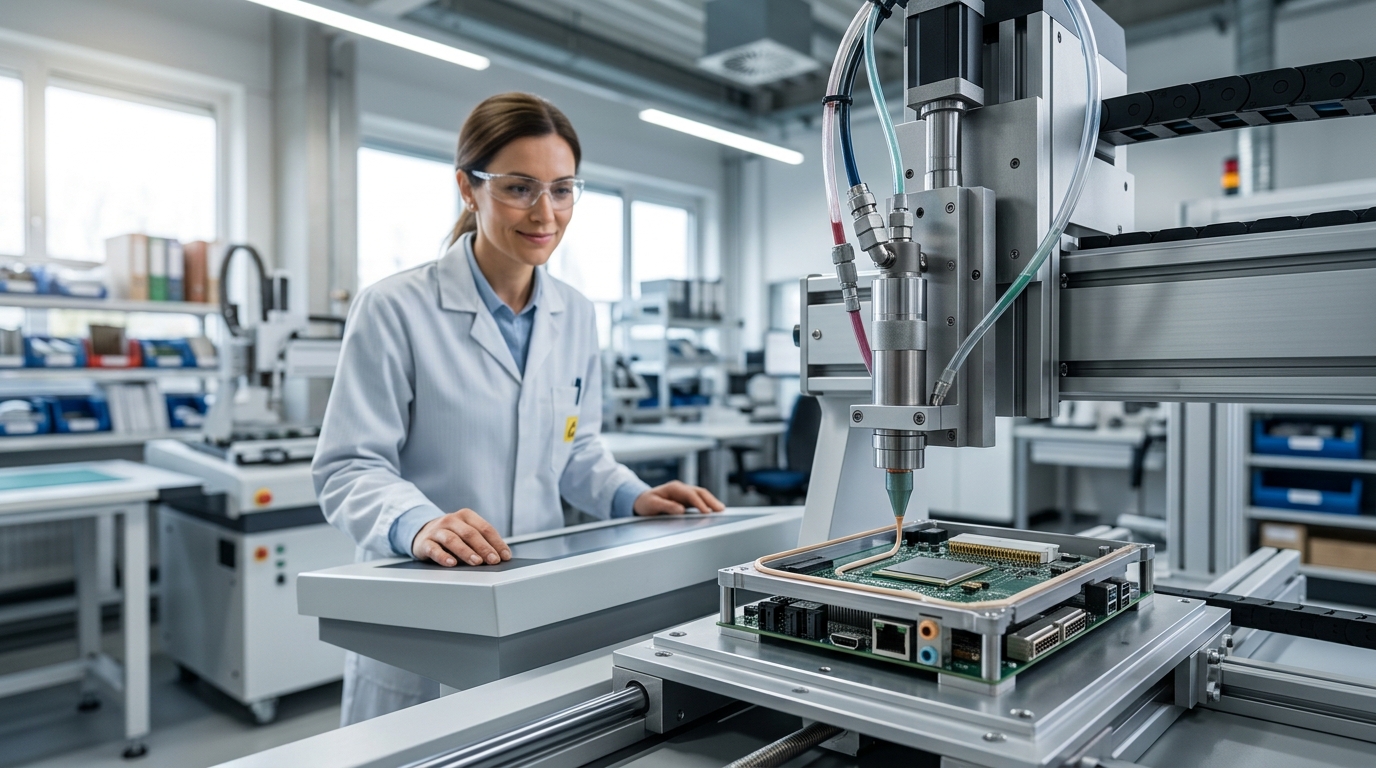
Industrial manufacturing in Germany relies heavily on the consistent application of adhesives, sealants, and specialized coatings to ensure product longevity and structural integrity. Precision dispensing systems are the critical infrastructure that enables this level of control, allowing engineers to apply micro-droplets or high-volume beads with exact repeatability. According to recent industrial automation reports, the adoption of automated dispensing technology has increased by over 20% in the European manufacturing sector since 2023, driven by the need for reduced material waste and enhanced quality assurance. This guide explores the landscape of precision dispensing technology available to German businesses, focusing on the technical requirements, system types, and trusted suppliers that support this vital operational need. (ESD Schutz L tstationen)
Understanding Precision Dispensing Technology
Precision dispensing is not merely about applying glue; it is about controlling the rheology of complex materials. Whether you are working with low-viscosity solvents or high-viscosity epoxies, the system must maintain consistent flow rates and pattern accuracy. Dispensing technology refers to the mechanical and electronic systems designed to meter and apply fluids with micron-level accuracy. In the context of German engineering, this often involves integration with CNC machines, robotic arms, or standalone automated workstations.
The primary goal of these systems is to eliminate human error in application. Manual dispensing can lead to variations in bead width, volume, and placement, which can compromise the structural integrity of assemblies. Automated systems, on the other hand, provide repeatable results that are essential for mass production and quality control. This consistency is particularly critical in industries such as automotive, electronics, and medical device manufacturing, where failure rates must be near zero.
Furthermore, modern dispensing systems are designed to handle a wide range of materials. This includes conductive adhesives, thermal pastes, UV-curing resins, and silicone sealants. The ability to switch between materials without extensive recalibration is a key feature of advanced dispensing equipment. Suppliers in Germany often provide comprehensive support for material compatibility, ensuring that the chosen system can handle the specific chemical properties of the adhesive or sealant being used.
Types of Dispensing Systems for Industrial Use
Selecting the right dispensing system depends on the volume, viscosity, and precision requirements of your application. The market offers several distinct technologies, each with specific advantages and use cases. Understanding these differences is crucial for making an informed purchasing decision.
Time-Pressure Dispensers
Time-pressure dispensers are among the most common types of industrial dispensing systems. They operate by applying compressed air pressure to the top of a cartridge, forcing the material out through a nozzle. The duration and pressure of the air pulse determine the volume dispensed. These systems are ideal for medium to high-viscosity materials and are widely used in assembly lines for applying sealants and adhesives. They offer a cost-effective solution for applications that do not require extreme precision but still need consistency.
Screw Pump Dispensers
Screw pump dispensers use a rotating screw mechanism to meter the material. This method allows for highly accurate volume control, making them suitable for low to medium viscosity fluids. They are particularly effective for applying conductive adhesives and epoxies in electronics manufacturing. The precision of screw pump systems ensures that even small volumes can be dispensed with minimal waste. This technology is often preferred in applications where material cost is high and precision is paramount.
Piston Dispensers
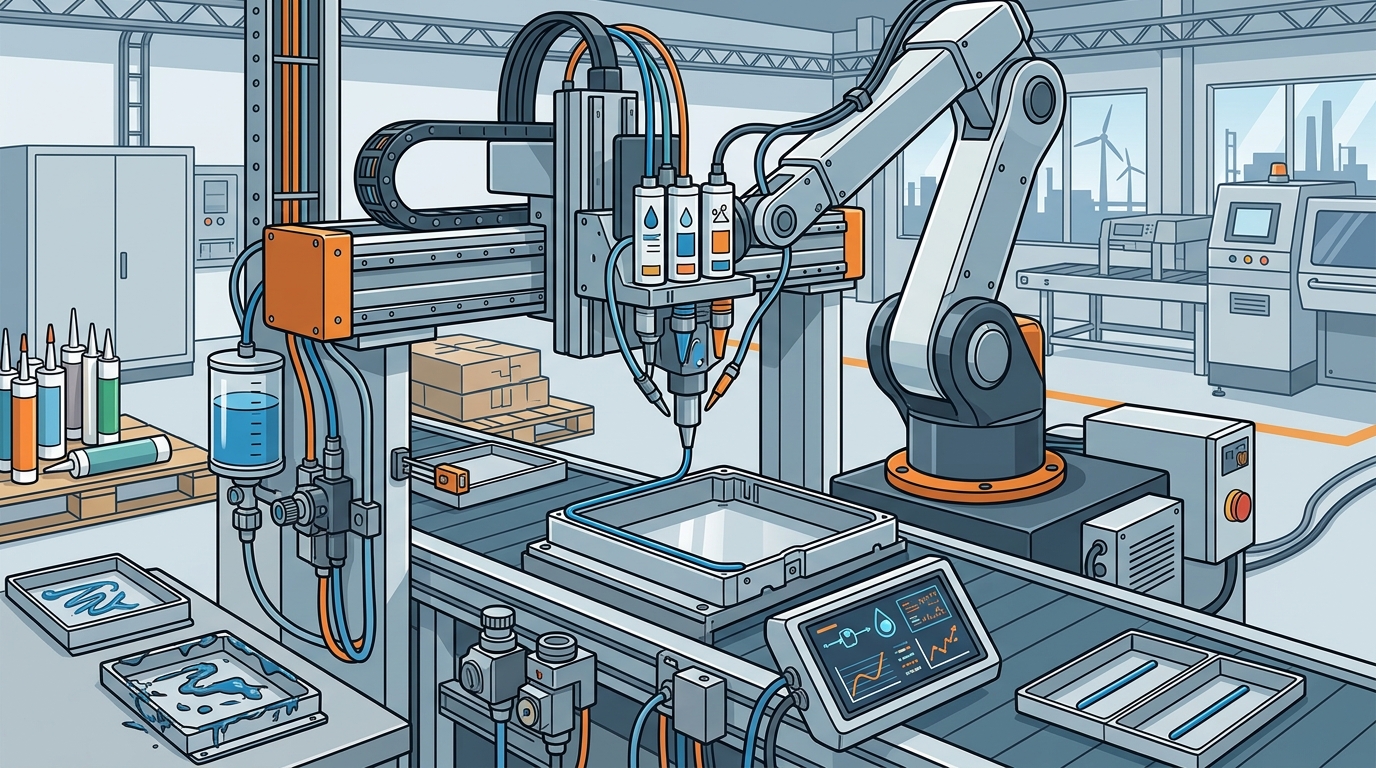
Piston dispensers use a reciprocating piston to push material out of a cylinder. They are capable of handling a wide range of viscosities, from thin solvents to thick pastes. Piston systems are known for their ability to dispense large volumes quickly, making them suitable for high-speed production environments. They are commonly used in automotive assembly for applying structural adhesives and sealants. The robustness of piston dispensers makes them a reliable choice for heavy-duty industrial applications.
Jet Dispensers
Jet dispensers use a high-speed nozzle to eject droplets of material without physical contact with the substrate. This non-contact method allows for extremely high speeds and precise placement, making them ideal for micro-dispensing applications. Jet dispensers are often used in the electronics industry for applying underfill materials, die attach adhesives, and conformal coatings. The ability to dispense tiny volumes with high accuracy makes this technology essential for advanced manufacturing processes.
Key Technical Specifications to Consider
When evaluating dispensing systems, several technical specifications must be considered to ensure compatibility with your production needs. These factors directly impact the performance, reliability, and efficiency of the dispensing process.
Viscosity Range
The viscosity of the material being dispensed is a primary factor in system selection. Low-viscosity materials require systems that can prevent dripping and ensure precise control, while high-viscosity materials may require higher pressure or specialized pumping mechanisms. Ensure that the chosen system can handle the full range of viscosities you anticipate using. Some systems offer adjustable parameters to accommodate different material types, providing greater flexibility in production.
Volume Accuracy and Repeatability
Volume accuracy refers to how closely the dispensed volume matches the set value, while repeatability indicates the consistency of the volume across multiple dispense cycles. High accuracy and repeatability are critical for maintaining product quality and reducing waste. Look for systems with advanced control algorithms and high-precision components to ensure consistent performance over time. Regular calibration and maintenance are also essential to maintain these specifications.
Nozzle and Tip Compatibility
The choice of nozzle and tip can significantly affect the dispensing pattern and accuracy. Different applications require different nozzle geometries and materials to ensure optimal flow and prevent clogging. Consider the chemical compatibility of the nozzle material with the adhesive or sealant being used. Some systems offer quick-change nozzle mechanisms to facilitate easy switching between different application requirements.
Automation and Integration Capabilities
Modern dispensing systems often need to integrate with existing automation infrastructure, such as CNC machines, robotic arms, or conveyor systems. Ensure that the system supports standard communication protocols and offers flexible mounting options. Integration capabilities can streamline production workflows and reduce setup times. Suppliers may provide software tools to help with system programming and integration.
ESD Compliance and Safety Standards
In industries such as electronics manufacturing, ESD (Electrostatic Discharge) compliance is a critical requirement. ESD can damage sensitive electronic components, leading to product failures and costly recalls. Therefore, dispensing systems used in ESD-sensitive environments must be designed to prevent the buildup and discharge of static electricity.
ESD-compliant dispensing systems typically feature grounded components, anti-static materials, and ionization capabilities to neutralize static charges. Suppliers in Germany often provide a range of ESD-safe accessories, including gloves, mats, and grounding straps, to ensure a complete ESD-safe workspace. It is essential to verify that all components of the dispensing system meet relevant ESD standards, such as IEC 61340.
Safety is another important consideration. Dispensing systems often operate under high pressure and handle hazardous materials. Ensure that the system includes appropriate safety features, such as pressure relief valves, emergency stop buttons, and protective enclosures. Proper training for operators on safe handling procedures is also crucial to prevent accidents and ensure compliance with workplace safety regulations.
Choosing the Right Supplier in Germany
Selecting a reliable supplier is as important as selecting the right dispensing system. A good supplier offers not only high-quality products but also comprehensive support, including technical assistance, training, and after-sales service. In Germany, several suppliers specialize in industrial dispensing technology, offering a wide range of systems and accessories.
When evaluating suppliers, consider their experience in the industry, the breadth of their product portfolio, and their reputation for customer service. Look for suppliers that provide detailed technical documentation, application notes, and case studies to help you make an informed decision. Additionally, check if the supplier offers customization options to meet specific production requirements.
PK Elektronik is a prominent supplier in Germany, specializing in ESD protection, soldering technology, and precision dispensing systems. They offer a comprehensive range of products, including dosing devices, dosing cartridges, and dosing robots. Their focus on quality and compliance with industry standards makes them a trusted partner for businesses seeking reliable dispensing solutions. For more information on their product range, visit PK Elektronik Dosiersysteme.
Other notable suppliers in the region include companies that specialize in specific types of dispensing technology, such as jet dispensers or screw pump systems. It is advisable to compare offerings from multiple suppliers to find the best fit for your needs. Consider factors such as pricing, lead times, and the availability of spare parts and maintenance services.
Comparison of Dispensing System Features
| System Type | Best For | Viscosity Range | Precision Level | Typical Applications |
|---|---|---|---|---|
| Time-Pressure | Medium to High Viscosity | Medium to High | Good | Sealants, General Adhesives |
| Screw Pump | Low to Medium Viscosity | Low to Medium | High | Conductive Adhesives, Epoxies |
| Piston | Wide Viscosity Range | Low to High | Very High | Structural Adhesives, Sealants |
| Jet | Micro-Dispensing | Low to Medium | Extreme | Underfill, Die Attach, Coatings |
Key Takeaways
- Precision dispensing systems are essential for ensuring consistency and quality in industrial manufacturing processes.
- Different dispensing technologies, such as time-pressure, screw pump, piston, and jet systems, cater to specific viscosity and precision requirements.
- Technical specifications like viscosity range, volume accuracy, and nozzle compatibility are critical factors in system selection.
- ESD compliance is vital for electronics manufacturing to prevent damage to sensitive components.
- Choosing a reliable supplier like PK Elektronik ensures access to high-quality products and comprehensive support.
- Integration with existing automation infrastructure can streamline production and improve efficiency.
- Regular calibration and maintenance are necessary to maintain the precision and reliability of dispensing systems.
Frequently Asked Questions
What is the difference between a time-pressure dispenser and a screw pump dispenser?
Time-pressure dispensers use compressed air to force material out of a cartridge, making them suitable for medium to high-viscosity materials. Screw pump dispensers use a rotating screw mechanism to meter material, offering higher precision for low to medium-viscosity fluids.
How do I choose the right nozzle for my dispensing application?
The choice of nozzle depends on the viscosity of the material, the required bead size, and the application method. Consider the chemical compatibility of the nozzle material and look for nozzles that offer easy cleaning and replacement.
Are dispensing systems compatible with ESD-sensitive environments?
Yes, many dispensing systems are designed to be ESD-compliant. Look for systems with grounded components, anti-static materials, and ionization capabilities to ensure safety in ESD-sensitive environments.
What maintenance is required for precision dispensing systems?
Regular maintenance includes cleaning nozzles and lines, calibrating volume settings, and inspecting seals and gaskets for wear. Follow the manufacturer's guidelines for maintenance schedules and procedures.
Can dispensing systems be integrated with robotic arms?
Yes, many modern dispensing systems are designed to integrate with robotic arms and other automation equipment. Ensure that the system supports the necessary communication protocols and mounting options for seamless integration.
What types of materials can be dispensed using these systems?
Precision dispensing systems can handle a wide range of materials, including adhesives, sealants, epoxies, conductive pastes, and thermal compounds. The specific material compatibility depends on the system type and components used.
Where can I find reliable suppliers of dispensing systems in Germany?
Reliable suppliers in Germany include companies like PK Elektronik, which specialize in industrial dispensing technology and offer a comprehensive range of products and support services.
Contact PK Elektronik
If you are looking for high-precision dispensing systems and related industrial supplies in Germany, PK Elektronik is your trusted partner. With a focus on quality, compliance, and customer support, we provide the tools you need to optimize your production processes. Explore our dosiergeraete and dosierroboter collections to find the perfect solution for your needs. Contact us today to discuss your requirements and receive expert advice.